
What Is Anticipatory Grief?
Until it happens to us, we understand grief as something that begins after a loss. We imagine grief arriving in the moment when someone dies — the phone call, the hospital room, the funeral, the empty chair. We have language for that kind of grief, even if the experience itself remains impossible to fully articulate.
But what happens when grief arrives before the loss? When the person you love is still alive, when conversations are still happening, when treatments are still being pursued, when there’s still life and hope?
This is anticipatory grief.
It occupies a difficult and often invisible space: the space between what is happening and what may happen, between the life you have known and the life you are beginning to imagine without the person you love. Because the loss has not yet occurred, people — including the one who’s grieving — may not recognize the depth of the experience.
Anticipatory grief is not about abandoning the present. It is about living fully inside a reality that has become more fragile and uncertain.
Grieving? Start Here

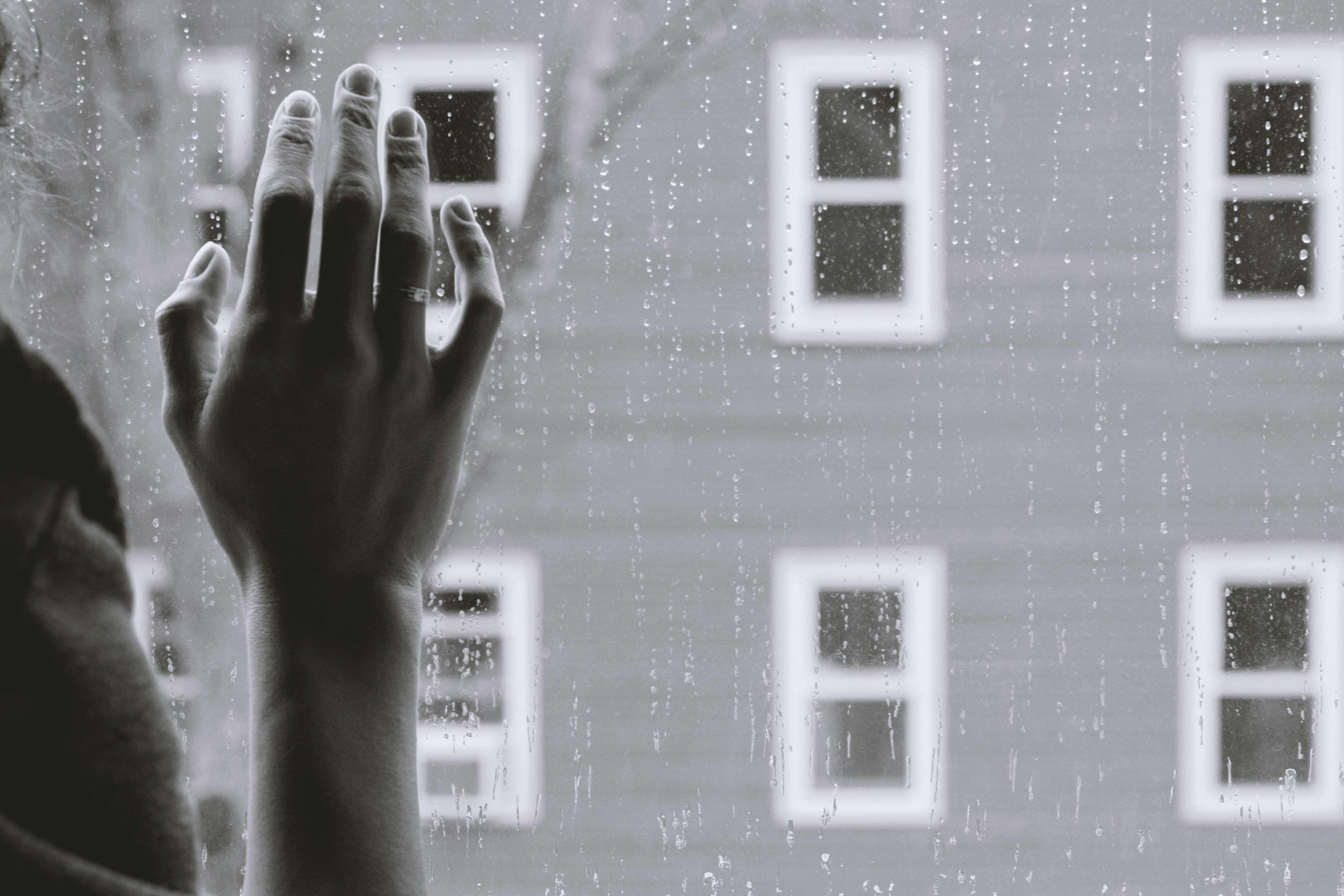

How do we heal after a life-altering loss or change? Discover five profound tips to help you find your way through grief. With honest examples and deeply personal reflections, Helene provides practical, heartfelt advice for those looking to rebuild their lives after tragedy.
MY UPCOMING BOOK
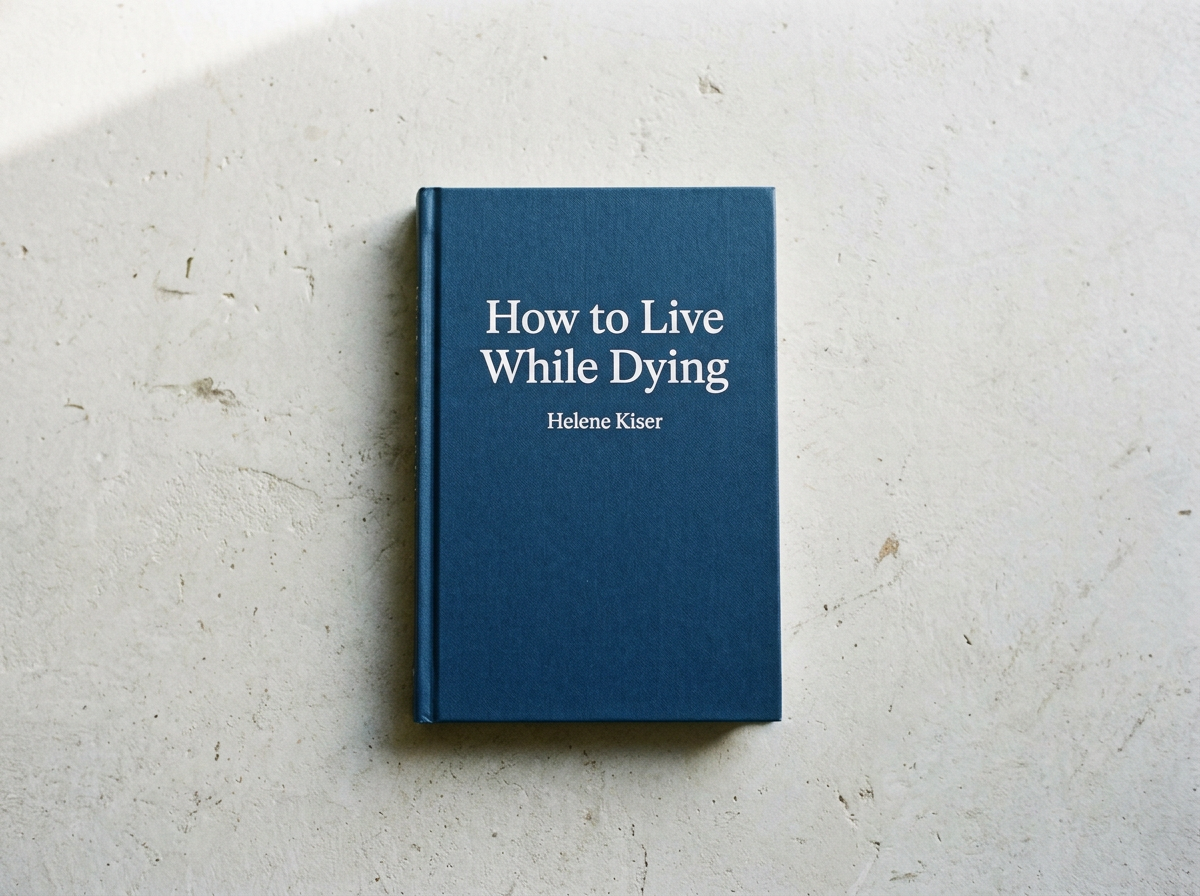
A meditation on mortality and an exploration of language’s limits, How to Live While Dying inhabits the liminal space of anticipatory grief — grief before loss — where hope and despair coexist. Using an innovative structure that weaves etymology, literary terms, and linguistic analysis alongside both my husband’s journal entries and my personal narrative chronicling the five months between his stage IV cancer diagnosis and death, the book examines — through a rare dual perspective — how language fails and sustains us during our most profound experiences.
How to Live While Dying
Actual cover coming soon
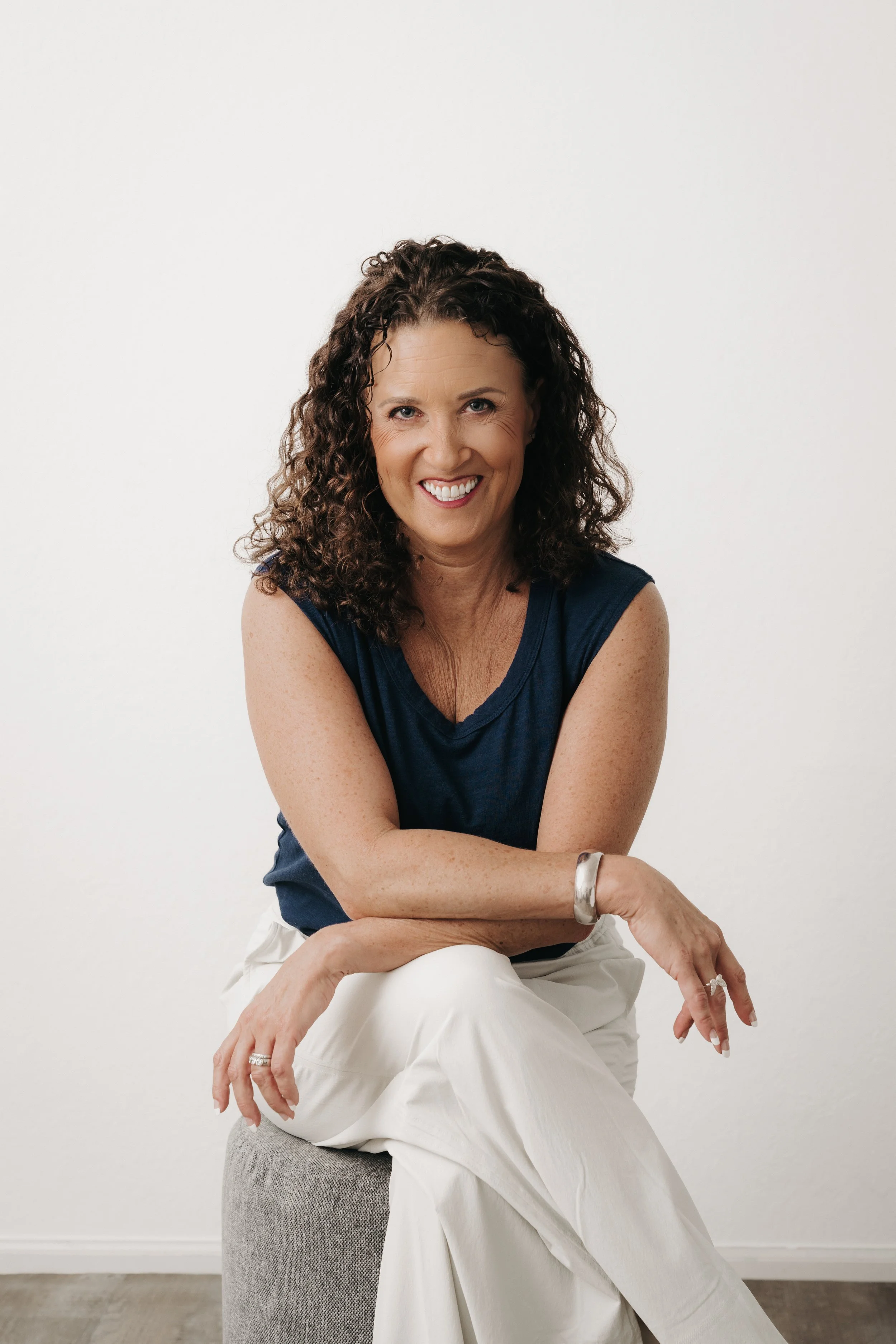
About Helene
I have a deep interest in liminal spaces: illness, grief, love, mortality, and the moments when the lives we imagined are replaced by the lives we must learn to inhabit.
My work explores those thresholds through writing and conversations about language, memory, and meaning.